



Thin-and-Light Laptop Review
What Is a Thin-and-Light Laptop?
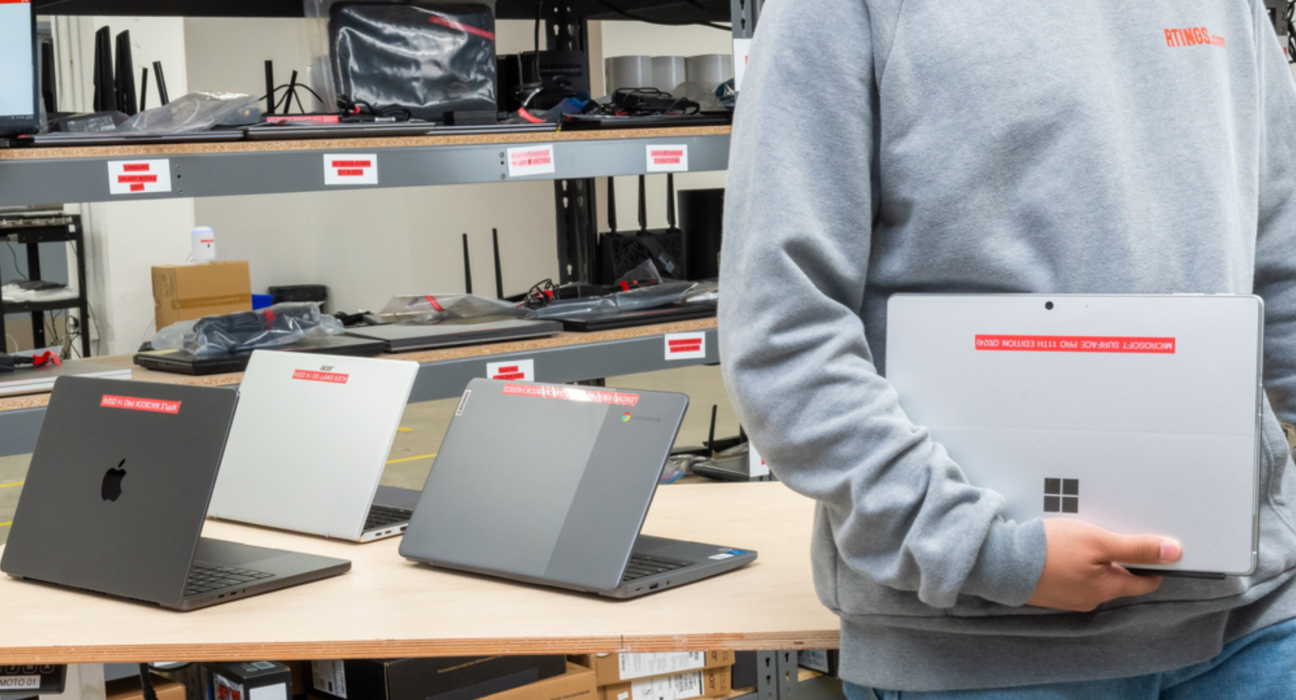
Thin-and-light laptops—often called ultrabooks—are designed to be:
Lightweight (usually under 1.4 kg)
Slim and easy to carry
Efficient with battery and heat
They are built for users who travel, attend classes, or work remotely.
Unlike gaming or workstation laptops, thin-and-light models focus on comfort, portability, and efficiency.
Why Thin-and-Light Laptops Are More Popular Than Ever
In 2026, how we work and study has changed.
Most users now need:
Portability for hybrid work or classes
All-day battery life
Silent, cool operation
Enough performance for multitasking
Heavy laptops no longer make sense for most people.
Thin-and-light laptops solve this exact problem.
Design & Build Quality: Minimal but Premium
Modern thin laptops focus on clean design and solid materials.
What You’ll Notice Immediately
Slim profile that fits easily in backpacks
Aluminum or magnesium alloy builds
Minimal flex despite light weight
Brands like Apple, ASUS, and Lenovo have refined this category to feel premium, not fragile.
Expert insight:
A good thin laptop should feel solid, not delicate. Build quality matters more than being ultra-thin.
Display Quality: Built for Long Hours
Since thin laptops are used for long periods, display quality is critical.
Typical Strengths
Sharp Full HD or higher resolution
Anti-glare or OLED panels
Good brightness for indoor and outdoor use
Whether you’re reading PDFs, coding, or watching lectures, the screen feels comfortable and easy on the eyes.
Real-world benefit:
A good display reduces eye strain during long study or work sessions.
Performance: Enough for 90% of Users
This is where many buyers get confused.
The Truth About Performance
Most people use laptops for:
Web browsing
Office tools
Online meetings
Coding or light creative work
Thin-and-light laptops handle these tasks easily.
Where They Shine
Fast boot and wake times
Smooth multitasking
Silent or near-silent operation
They are not designed for:
Heavy gaming
3D rendering
Large video production workflows
And that’s okay.
Expert rule:
If your work doesn’t stress your laptop daily, thin-and-light performance is more than enough.
Keyboard & Trackpad: Daily Comfort Matters
Thin laptops are used for typing—a lot.
What Good Models Offer
Comfortable key travel
Accurate, responsive trackpads
Stable palm rest areas
MacBooks are often praised for trackpads, while Lenovo and ASUS excel in keyboard comfort.
Why this matters:
Specs won’t save you from a bad keyboard. Comfort affects productivity every single day.
Battery Life: The Biggest Advantage
Battery life is where thin-and-light laptops truly win.
Real-World Battery Experience
8–12 hours for light to moderate use
Minimal drain during standby
Consistent performance on battery
For students attending long lectures or professionals working remotely, this is a game changer.
Expert observation:
You stop worrying about chargers—and that freedom matters more than benchmarks.
Portability & Travel Friendliness
This is the core reason people buy thin laptops.
Why Portability Wins
Easy to carry all day
Less strain on shoulders
Fits airplane trays and small desks
If you commute, travel, or move between classes, a thin-and-light laptop makes daily life easier.
Connectivity & Ports: The Trade-Off
Thin laptops often compromise on ports.
Common Limitations
Fewer USB-A ports
Reliance on USB-C
Sometimes no HDMI
Practical Advice
A small USB-C hub solves most problems and keeps the laptop slim.
Expert tip:
Don’t reject a great laptop just because of fewer ports—adaptability matters.
Thin-and-Light vs Traditional Laptops
Feature Thin-and-Light Traditional Laptop
Weight Very light Heavy
Battery life Excellent Average
Performance Balanced High (varies)
Portability Excellent Limited
Noise & heat Low Higher
Who Should Buy a Thin-and-Light Laptop?
This category is perfect for:
Students
Office professionals
Writers and researchers
Coders (non-heavy workloads)
Frequent travelers
If your laptop is a daily companion, thin-and-light makes sense.
Who Should Avoid It?
You may need a different category if you:
Play modern games regularly
Do professional video editing
Run heavy simulations or 3D software
For these users, performance-focused laptops are better.
Longevity & Software Support
Thin-and-light laptops from reputable brands offer:
Long software support
Stable updates
Good resale value
Because they run cooler and quieter, they often age better than heavy machines.
Common Myths About Thin-and-Light Laptops
Myth: Thin laptops are underpowered
➡️ Reality: They are optimized, not weak.
Myth: They overheat easily
➡️ Reality: Modern designs manage heat well for intended tasks.
Myth: They’re overpriced
➡️ Reality: You pay for engineering, efficiency, and comfort.
Final Verdict: Is a Thin-and-Light Laptop Worth It?
After years of reviewing laptops across categories, the answer is clear:
👉 For most students and professionals, yes—absolutely.
Thin-and-light laptops deliver:
Portability
Comfort
Strong battery life
Reliable everyday performance
They may not win benchmark battles, but they win in real life.
Expert Buying Tip
Before buying, ask yourself:
Will I carry this laptop daily?
Do I value battery life over raw power?
Is comfort more important than specs?
If the answer is yes, a thin-and-light laptop is the right choice.