





🎬 Soundbar vs Bookshelf Speakers — What’s Best for Movies?
2026 Guide — Clear, Practical, No-Nonsense Comparison
If you love watching movies at home, great audio makes a huge difference — from booming explosions to quiet dialogue. The most common debate is:
👉 Soundbar — sleek & simple?
👉 Bookshelf speakers — powerful & detailed?
This guide breaks down which one is truly better for movies, and which fits your home, budget, and priorities.
📊 Soundbar vs Bookshelf Speakers — Quick Comparison
| Feature | 🎶 Soundbar | 📌 Bookshelf Speakers |
|---|---|---|
| Movie Sound Quality | ⭐⭐⭐ | ⭐⭐⭐⭐ |
| Dialogue Clarity | ⭐⭐⭐⭐ | ⭐⭐⭐⭐ |
| Bass Impact | ⭐⭐ | ⭐⭐⭐⭐ (with subwoofer) |
| Stereo Imaging | ⭐⭐⭐ | ⭐⭐⭐⭐ |
| Ease of Setup | ⭐⭐⭐⭐⭐ | ⭐⭐ |
| Space Requirement | ⭐⭐⭐⭐⭐ | ⭐⭐⭐ |
| Cost-to-Performance | ⭐⭐⭐⭐ | ⭐⭐⭐ |
| Best for | Simplicity | Sound Enthusiasts |
🔊 What a Soundbar Does
A soundbar is a long, narrow speaker you place under your TV. Many models now include:
✔ Virtual surround sound
✔ Built-in subwoofers or external sub options
✔ Dolby Atmos support
✔ Bluetooth / Wi-Fi streaming
🎬 Pros (Movies)
✅ Easy setup — plug & play
✅ Dialogue enhancement → clearer voices
✅ Sleek design, great for small spaces
✅ Wireless extras (Bluetooth/Wi-Fi)
❌ Cons
❌ Limited stereo imaging vs separated speakers
❌ Can lack deep bass without a sub
❌ Less dynamic than bigger speaker systems
Best for: Small living rooms, apartments, users who just want better TV sound without fuss.
🎧 What Bookshelf Speakers Do
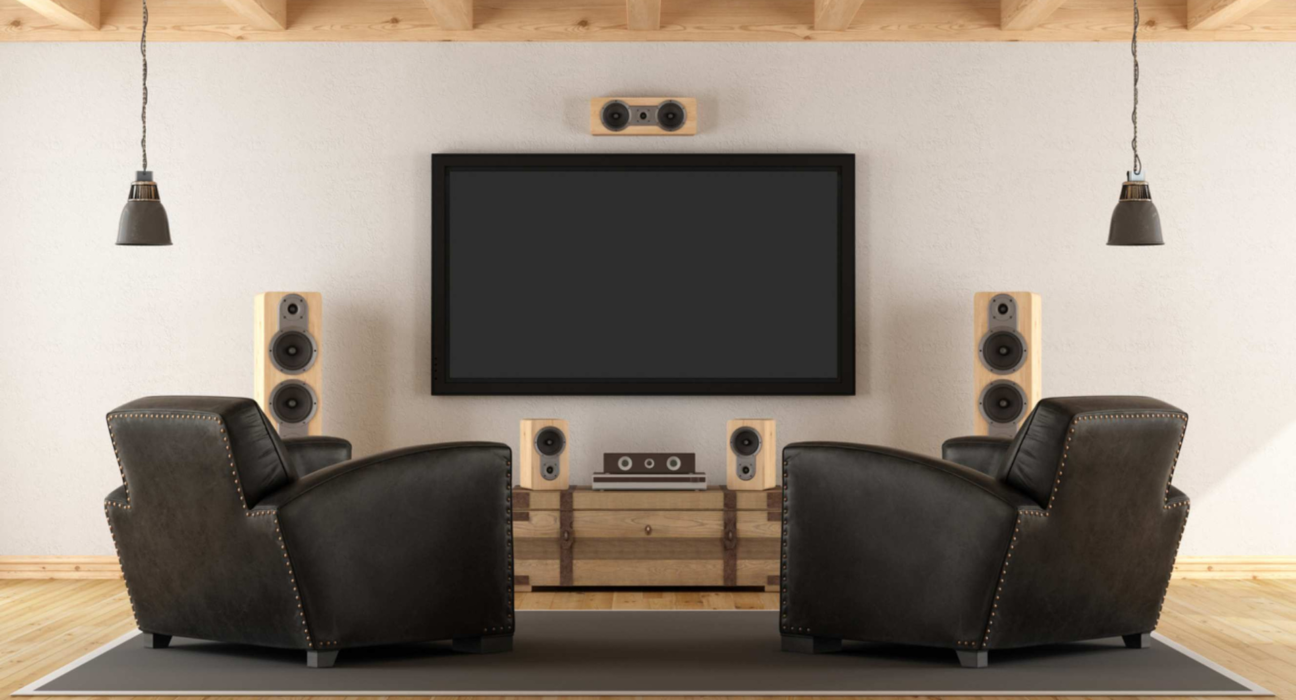
Bookshelf speakers are compact speakers placed on shelves, stands, or furniture — usually part of a stereo or home theater system.
🎬 Pros (Movies)
✅ Richer, more natural sound
✅ Better stereo separation & imaging
✅ Can produce deeper bass (especially with a subwoofer)
✅ More immersive overall
❌ Cons
❌ Requires receiver or amplifier
❌ Setup may involve cables and speaker placement
❌ Takes more space
Best for: Movie lovers who care about audiophile-like sound at home.
🎥 How They Compare for Movies
🔊 1. Dialogue Clarity
- Soundbars: Often have dedicated dialogue enhancement modes → clearer speech.
- Bookshelf Speakers: Great natural clarity, but depends on placement and acoustics.
Tie — both do well, though soundbars often boost voices by default.
💥 2. Action & Explosion Impact
- Soundbars: Decent with external subwoofers.
- Bookshelf + Subwoofer: Deeper bass and more punch.
Winner: Bookshelf setup with a sub
📻 3. Surround & Immersion
- Soundbars: Virtual surround works OK, but not true surround sound.
- Bookshelf systems: True stereo + side/rear speakers (optional) for movie-theater feel.
Winner: Bookshelf system
📐 4. Stereo Imaging
Imaging = how well sounds seem placed in space.
- Soundbars: Good virtual imaging
- Bookshelf: Physical speaker separation → better soundstage
Winner: Bookshelf speakers
🧩 Setup & Space Considerations
🏠 Small Spaces
- Soundbar shines → easy, compact, no extra gear
- Good choice for apartments, bedrooms
🏡 Medium to Large Rooms
- Bookshelf + Receiver + Sub gives more impact and immersion
- Requires dedicated space and wiring
💰 Cost & Value
| Setup | Typical Cost |
|---|---|
| Mid-range Soundbar + Sub | ₹15,000 – ₹60,000 |
| Bookshelf Speakers + Receiver + Sub | ₹30,000 – ₹1,00,000+ |
Soundbars provide great value at lower cost.
Bookshelf setups cost more but deliver superior sound.
🎯 So — Which Is Better for Movies?
🥇 Best Overall Sound
➡ Bookshelf speakers with a sub + receiver
More immersive, more dynamic, better bass and imaging.
⭐ Best for Simplicity & Small Rooms
➡ Soundbar with built-in or external sub
Great improvement over TV speakers with minimal hassle.
🧠 Quick Recommendation Based on Use Case
✔ Apartment / Living Room Tight on Space → Soundbar
✔ Home Theater Enthusiast → Bookshelf + Receiver + Sub
✔ Primary Focus on Dialogue → Soundbar with dialogue modes
✔ Movies + Music Both Important → Bookshelf Speakers
🧩 Tips to Maximize Movie Sound
✅ Add a Subwoofer even to a soundbar — deepens bass dramatically
✅ Place Bookshelves at ear level for best imaging
✅ Use a receiver with room correction (like Audyssey / Dirac)
✅ Experiment with angle & distance of speakers
🎬 Final Takeaway
👉 Soundbars are convenient, stylish, and great for boosting TV sound without effort.
👉 Bookshelf speakers offer deeper, richer, more immersive movie sound — especially when paired with a sub.