



📱 Budget vs Mid-Range Phones — What You Gain (and What You Lose
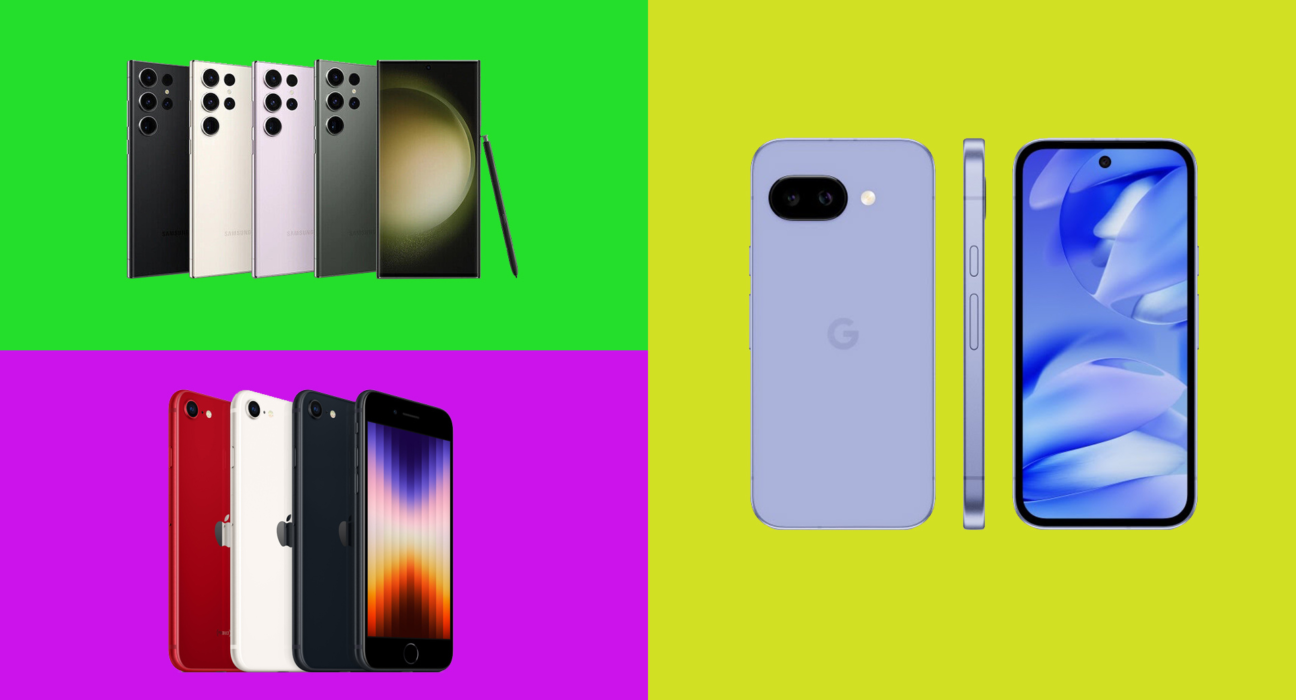
🧠 What “Budget” and “Mid-Range” Mean (2026)
📍 Budget Phones:
👉 Typically around ₹10,000–₹20,000 (or equivalent)
👉 Good for everyday tasks, basic camera needs, and lasting battery life
📍 Mid-Range Phones:
👉 Typically ₹20,000–₹40,000 (or equivalent)
👉 Stronger performance, better cameras, faster charging, richer features
📊 Quick Comparison: What You Actually Get
| Feature | Budget Phones | Mid-Range Phones |
|---|---|---|
| Performance | ⚡ Basic | ⚡⚡ Better |
| Display | 🟡 Standard (LCD, 60–90Hz) | 🟢 Smooth (AMOLED, 90–120Hz+) |
| Cameras | 📷 Functional | 📸 Better sensors + AI |
| Battery | 🔋 Good | 🔋 Excellent + fast charging |
| Build Quality | 🔹 Basic plastics | 🔸 Premium materials |
| Gaming | 🎮 Light | 🎮 Better & smoother |
| Software Updates | 🕒 Limited | ⏱ Longer support |
| Extras (NFC, Stereo Speakers) | ❌ Sometimes | ✔️ Often |
📌 1. Performance & Smoothness
🟠 Budget Phones
- Processors handle everyday tasks (calls, WhatsApp, social media) well.
- Multitasking can slow down if apps pile up.
- Gaming at high settings usually not ideal.
🟢 Mid-Range Phones
- Faster processors + more RAM mean:
✔ Snappier performance
✔ Smoother multitasking
✔ Better gaming at higher settings
✔ Less slowdown over time
👉 Gain: A noticeably smoother experience in everyday use and especially in gaming or heavy apps.
Verdict: Mid-range wins for long-term performance and responsive feel.
📱 2. Display Quality
🔹 Budget Displays
- LCD panels with average brightness and color accuracy.
- Usually 60Hz–90Hz refresh rates.
🔸 Mid-Range Displays
- Often AMOLED screens with richer colors.
- Higher refresh rates (90Hz–120Hz+): smoother scrolling and animations.
- Better contrast — deeper blacks and vivid colors.
✨ What You Gain:
- Better sunlight visibility
- More vibrant colors
- Smoother UX animations
Verdict: Mid-range wins if you care about visuals.
📷 3. Cameras: A Big Leap
📍 Budget Cameras
- Basic sensors with average performance.
- Works well in good lighting.
- Struggles in low light or complex scenes.
📸 Mid-Range Cameras
- Larger sensors + better lenses
- AI enhancements for portraits, night mode, macro, and video
- Useful features like image stabilization, depth sensing
✔️ Better photos in low light
✔️ Richer colors and details
✔️ Improved video quality
Verdict: Mid-range phones give solid camera upgrades worth the price hike.
🔋 4. Battery & Charging
🔋 Budget
- Decent battery capacity
- Slower charging speeds
⚡ Mid-Range
- Large batteries typically (~5000 mAh+)
- Fast charging 30–80W+
- Better power management
Result:
👉 Mid-range phones last longer and charge much faster.
🎮 5. Gaming & Heavy Apps
- Budget: Good for casual games; heavy titles lag or lower settings.
- Mid-Range: Can handle demanding games smoothly at higher frame rates.
🕹️ If gaming matters, the mid-range is typically worth the extra investment.
📏 6. Build Quality & Extras
| Feature | Budget | Mid-Range |
|---|---|---|
| Materials (glass/metal) | 🔹 | 🔸 |
| Stereo Speakers | ❌ | ✔️ |
| Better Vibrations | ❌ | ✔️ |
| NFC / Better Connectivity | ❌ | ✔️ |
| Water Resistance | Rare | More Likely |
Mid-range phones often feel more premium to hold and use every day.
🔄 7. Software Updates
- Budget: 1–2 major Android updates (sometimes less)
- Mid-Range: 3+ major updates + longer security patches
👉 More updates = longer usable life.
💡 Real-World Cents & Sensibility
📌 Choose a Budget Phone if:
✔ You want excellent value for basic tasks
✔ Battery life and price are your priorities
✔ You don’t care much about gaming or premium camera results
✔ You want a simple phone for social apps & calls
📌 Choose a Mid-Range Phone if:
✔ You want better performance over time
✔ You enjoy games, videos, photos
✔ You want a brighter, smoother display
✔ You want more features and longevity
🧠 The Bottom Line
✔ Budget phones are perfect if you want a solid smartphone without spending much — and don’t need fancy camera or high performance.
✔ Mid-range phones give a noticeable jump in performance, display, camera, battery, and features — often worth the premium if you’re likely to keep the phone for years.
📌 Final Recommendation
| Your Use Case | What to Buy |
|---|---|
| Calls, WhatsApp, social apps | 💡 Budget |
| Casual gaming & everyday use | 👍 Budget / Lower Mid-Range |
| Photography, video, gaming | ⭐ Mid-Range |
| Long-lasting phone with future updates | ⭐ Mid-Range |
| High refresh smooth experience | ⭐ Mid-Range |