





📣 Wired vs Wireless Doorbells: Reliability vs Convenience — The Ultimate 2026 Guide
🏡 Overview: Wired vs Wireless Doorbells
Before we dive into recommendations, let’s look at what each type means:
🔌 Wired Doorbells
These connect directly to your home’s electrical system or existing doorbell wiring.
Key features:
- Powered by your home electricity (no batteries needed)
- Works through physical wiring
- Traditional push-button with a chime or speaker
📡 Wireless Doorbells
These use radio signals to connect the button (transmitter) and chime (receiver).
Key features:
- Battery-powered button (and sometimes receiver)
- No drilling or wiring needed
- Often comes with smart features
⚙️ Wired Doorbells: Reliability First
✔️ Pros of Wired Doorbells
1. Extremely Reliable
- Always powered — no batteries to die and no signal drops.
- Works consistently even in long-term use.
2. No Interference
- Since it’s on physical wiring, you won’t suffer from radio interference (common in dense neighborhoods).
3. No Batteries Needed
- Once installed, you don’t have to worry about changing batteries.
4. Ideal for Hardwired Security Systems
- Works seamlessly with existing home systems like alarms and intercoms.
Best for: Homes where dependability matters the most — especially if you have an older house with existing wiring.
❌ Cons of Wired Doorbells
🔹 Harder to Install
- Requires drilling and wiring; may need an electrician.
🔹 Limited Placement
- Button must be within reach of existing wiring.
🔹 Can Be More Expensive Up Front
- Installation costs add up compared to plug-and-play wireless options.
📶 Wireless Doorbells: Convenient & Modern
✔️ Pros of Wireless Doorbells
1. Easy, No-Drill Install
- Pop in batteries, mount with tape or screws — done!
2. Flexible Placement
- You can put the button and receivers anywhere — even multiple receivers in the house.
3. Smart Features
- Many come with app alerts, video cameras, two-way talk, motion detection, and cloud storage.
4. Portable Receivers
- Carry them around or place them where you want — no need to plug into specific outlets.
Best for: Renters, modern homes, and anyone who loves smart convenience.
❌ Cons of Wireless Doorbells
🔹 Battery Dependency
- Button and sometimes receivers run on batteries — must replace them occasionally.
🔹 Signal Interference
- Other wireless devices can affect performance, especially in crowded apartment blocks.
🔹 Range Limitations
- Some wireless doorbells can suffer from weak signal if distance is long or walls are thick.
🆚 Head-to-Head Comparison
| Feature | Wired Doorbells | Wireless Doorbells |
|---|---|---|
| Reliability | ⭐⭐⭐⭐⭐ | ⭐⭐⭐⭐ |
| Ease of Installation | ⭐⭐ | ⭐⭐⭐⭐⭐ |
| Maintenance | ⭐⭐⭐⭐ | ⭐⭐⭐ |
| Smart Features Availability | ⭐⭐ | ⭐⭐⭐⭐⭐ |
| Placement Flexibility | ⭐⭐ | ⭐⭐⭐⭐⭐ |
| Cost (Up Front) | ⭐⭐ | ⭐⭐⭐ |
💡 Best Uses Based on Your Needs
🏠 Best for Reliability
Choose wired doorbells if:
- You want rock-solid performance.
- You don’t want to worry about batteries.
- You want integration with door chimes and alarms.
🔌 Best for Convenience
Choose wireless doorbells if:
- You want quick installation.
- You rent or don’t want to drill.
- You want smart features like cameras and app alerts.
🚪 Smart Doorbells: Wireless Takes the Lead
In 2026, wireless smart doorbells dominate the market with features such as:
- Real-time notifications
- Two-way communication
- Video recording
- AI motion detection
- Mobile app control
These features make wireless models attractive — especially for busy households and connected homes.
📌 Final Recommendation
→ Wired Doorbells: Best choice if dependability and long-term operation without maintenance is your priority.
→ Wireless Doorbells: Best choice if flexibility, modern features, and easy setup matter most.
📌 Quick Picks (Examples)
Top Wired Option
- Classic hardwired chime with loud buzzer — best for long-lasting performance.
Top Wireless / Smart Option
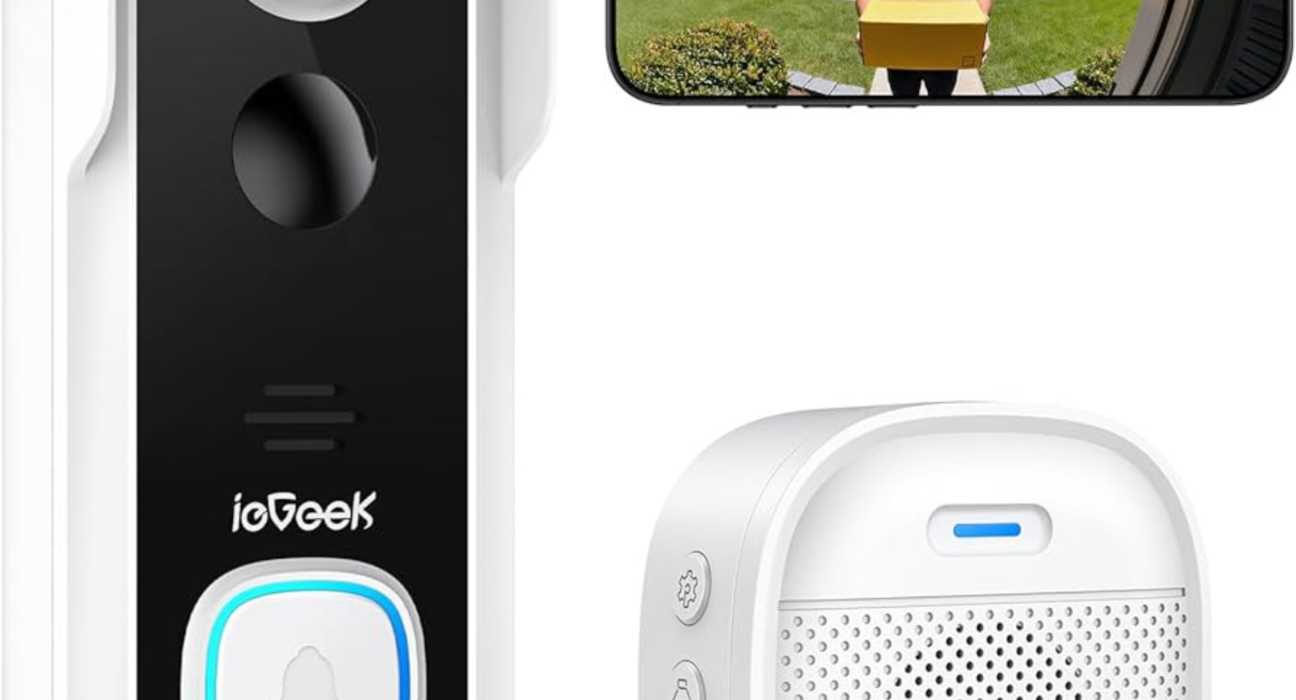
- Video doorbell with app notifications — perfect for modern connected homes.