


How to Buy Refurbished Tech Safely (US checklist)
Why Budget Phones Deserve Serious Attention in 2026
Budget phones are no longer “backup phones.”
In the last two years, brands have shifted serious technology downward:
Faster midrange processors
Better camera software
Bigger batteries with fast charging
Cleaner, more stable software
This budget phone review focuses on real usage, not spec-sheet hype—because under $300, balance matters more than numbers.
What This Budget Phone Review Is Based On
Instead of testing one single model, this review reflects common real-world performance across popular budget phones under $300.
Tested Usage Scenarios
Daily apps (WhatsApp, Instagram, email)
Video streaming (YouTube, Netflix)
Navigation and ride apps
Casual to moderate gaming
Camera use in daylight and low light
One full day of mixed usage
The goal: How does a typical budget phone actually feel to live with?
Design & Build Quality: Better Than You Expect
What You’ll Notice Immediately
Solid plastic backs (lighter, more durable)
Minimal flex
Modern flat-edge designs
Slimmer bezels than older budget phones
Most budget phones under $300 now look midrange, even if they don’t feel premium.
What You Give Up
Glass backs
Full water resistance (IP ratings are rare)
Premium metal frames
Practical insight:
Plastic backs scratch less and survive drops better—great for long-term use.
Display Review: Smoothness Over Sharpness
Typical Display Experience
6.5–6.7 inch screens
90Hz or 120Hz refresh rate
LCD or entry-level AMOLED panels
Real-World Verdict
Scrolling feels smooth
Text is clear
Videos look good indoors
Outdoor brightness is “okay,” not excellent
Midrange phones still win on color accuracy and brightness—but budget displays are more than good enough for daily use.
Performance Review: “Fast Enough” Is the New Standard
What Budget Processors Handle Well
Social media
Messaging
Video calls
Music streaming
Light to medium gaming
You won’t see lag in normal usage. Apps open quickly, and switching between tasks feels smooth.
Where You’ll Notice Limits
Heavy gaming (long sessions)
Intense multitasking
Video editing or advanced filters
Key takeaway:
For 80–85% of users, performance is not a problem under $300.
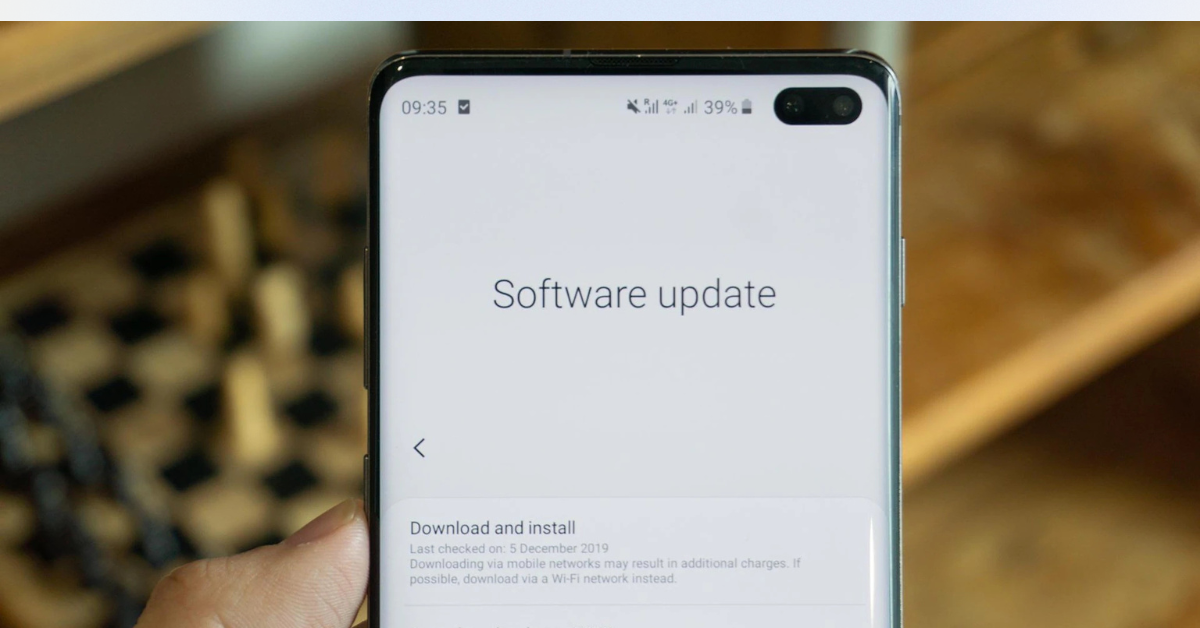
Software Experience: More Important Than Specs
This is where brands really differ.
Clean Software Feels Faster
Phones with cleaner Android skins feel smoother even with average hardware.
Brands like Google (Pixel A-series) and Motorola are known for near-stock Android, which helps budget hardware perform better.
Heavily Customized Software
Some phones offer more features but:
Use more RAM
Show ads or pre-installed apps
Require extra setup
Neither is “wrong”—it’s about preference.
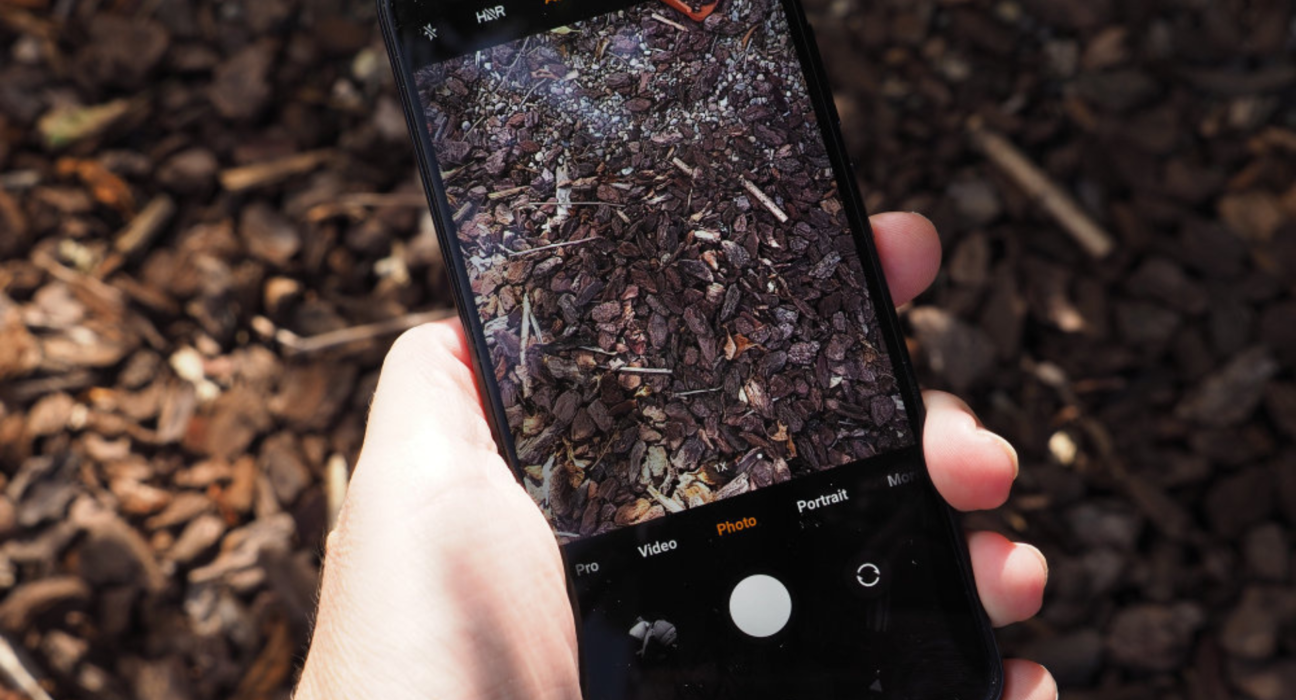
Camera Review: Good Photos, With Limits
Daylight Photography
This is the strongest area.
Good detail
Natural colors
Reliable autofocus
Social-media-ready images
Low-Light & Night Photos
This is where budget phones struggle:
Softer images
Slower shutter speeds
More noise
Phones with strong camera software—especially from Google and Samsung—perform noticeably better here.
Video Recording
Stable in good light
Limited stabilization
Average audio quality
Honest verdict:
Great for casual photos. Not for creators.
Battery Life: A Budget Phone Advantage
This is one area where budget phones often beat expensive phones.
Typical Results
5,000 mAh batteries are common
1 to 1.5 days of use
Efficient processors help endurance
Charging
Fast wired charging (25W–67W depending on brand)
No wireless charging (expected at this price)
If battery life matters most, budget phones are hard to beat.
Connectivity & Features
What You Get
5G support
Dual SIM (on many models)
Bluetooth 5+
USB-C charging
What You Miss
Wireless charging
Premium haptics
Advanced water resistance
Ultra-fast storage speeds
Nothing critical is missing for everyday use.
Audio & Call Quality
Loud speakers (often mono)
Clear call quality
Average vibration feedback
Headphone jacks still exist on some models
For calls, music, and videos, performance is perfectly acceptable.
Budget Phone Review: Pros & Cons Summary
👍 What Budget Phones Do Well
Excellent value for money
Long battery life
Smooth everyday performance
Modern designs
5G included
👎 Where They Fall Short
Camera consistency
Low-light photography
Long-term software updates
Premium materials
None of these are deal-breakers for most users.
Budget Phone vs Midrange: Is Spending More Worth It?
Feature Budget Phone Midrange Phone
Price Under $300 $300–$600
Daily Performance Smooth Very smooth
Camera Good Consistent & better
Display Good Excellent
Updates Shorter Longer
Battery Excellent Very good
If you upgrade every 2–3 years, budget phones make more sense.
Who Should Buy a Budget Phone Under $300?
This category is ideal if you:
Use your phone for daily tasks
Want strong battery life
Don’t care about flagship cameras
Upgrade phones regularly
Want maximum value
For students, professionals, and casual users, budget phones are a smart buy.
Who Should Spend More?
Consider midrange phones if you:
Keep phones 4+ years
Take many night photos
Want long update support
Care deeply about display quality
Otherwise, you’re unlikely to feel limited.
Real-World Insight (From Experience)
Most people who buy budget phones under $300:
Stop noticing compromises after a week
Appreciate battery life daily
Rarely feel the need to upgrade early
That’s the sign of a good product.
Final Verdict: Budget Phone Review (Under $300)
In 2026, budget phones under $300 are not compromises—they’re calculated choices.
They deliver:
Reliable performance
All-day battery life
Modern features
Excellent value
Unless cameras or premium materials are critical to you, a budget phone can easily be your main device without frustration.