


📱 iPhone vs Android — Which Is Best for You?
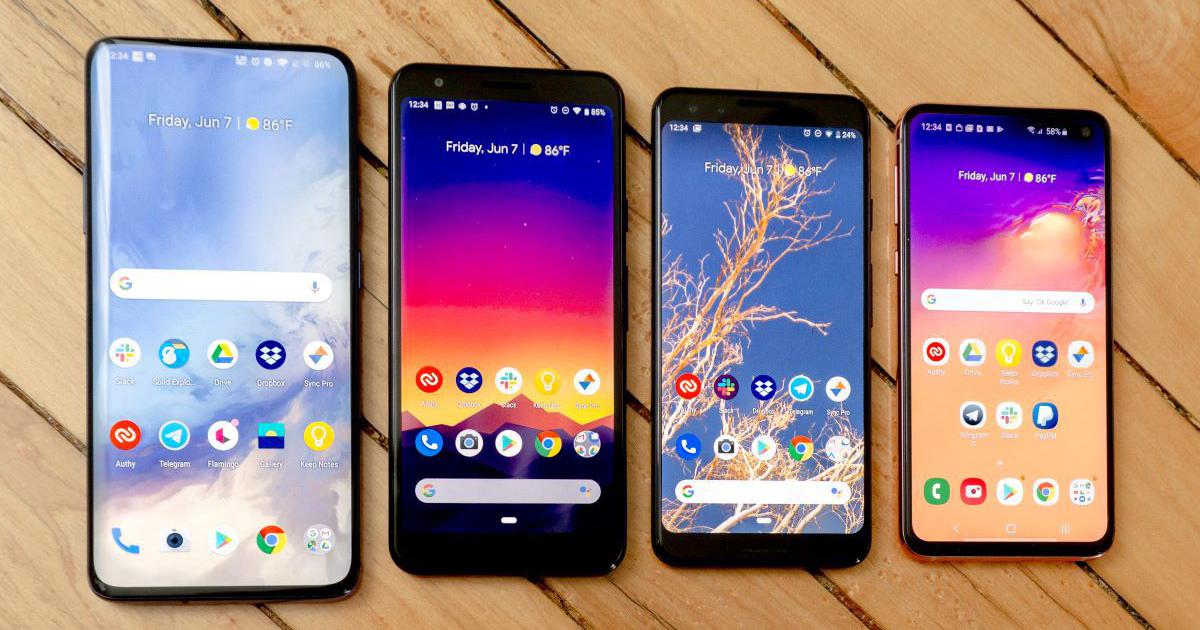
2026 definitive comparison — features, ecosystem, price, privacy, apps, and everyday use
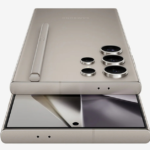
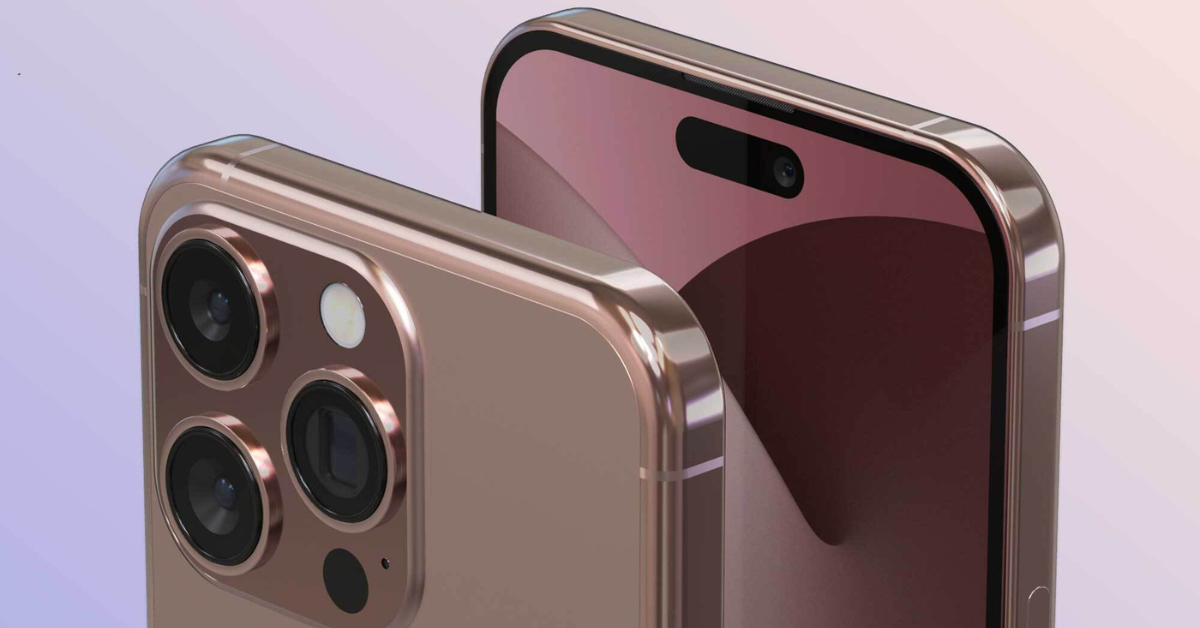
📸 Overview: iPhone vs AndroidSmartphones are essential — but iPhone (iOS) and Android are two very different experiences under the hood. This blog explains the differences clearly so you can decide which fits your lifestyle.
🧠 What’s the Core Difference?
🍏 iPhone (iOS)
- Closed, tightly controlled system by Apple
- Works seamlessly with other Apple products
- Prioritizes security and simplicity
🤖 Android
- Open, customizable, and used by many brands
- Wide range of devices and price points
- Flexible experience with more personalization
💡 User Experience & Interface
🧠 iPhone (iOS)
- Clean and consistent interface
- More uniform app behavior
- Easier for beginners
🤖 Android
- Customized by manufacturers (Samsung One UI, Pixel UI, etc.)
- Widgets and layout options are more flexible
- More choices in how your phone looks and behaves
Winner: Tie — iPhone for simplicity, Android for customization
📱 Hardware Variety & Price
| Platform | Price Range | Device Variety |
|---|---|---|
| iPhone | Premium only | Limited models per year |
| Android | Budget → Premium | Huge range across brands |
Android wins in variety and affordability, while iPhone sticks to premium hardware with fewer models each year.
📸 Camera Quality
Both platforms offer excellent cameras, but the experience differs:
🍏 iPhone
- Consistent color science
- Excellent video features
- Great low-light performance
🤖 Android
- More hardware innovation (zoom, sensors)
- Some models outperform iPhone for telephoto or night shots
Real result:
📍 iPhone → Dependable across all situations
📍 Android → Can be superior in specific areas
Winner: Tie — depends on which phone you compare
🛠️ Software & Ecosystem
🍏 iPhone (iOS)
- Seamless with Mac, iPad, Apple Watch
- Airdrop, Universal Clipboard, FaceTime
- iMessage ecosystem
🤖 Android
- Works with Google services
- Better cross-device integration with Chromebooks and Wear OS
- More freedom with app defaults and flexibility
Winner:
➡ iPhone for Apple users
➡ Android for Google ecosystem users
🔐 Security & Updates
🍏 iPhone
✔ Regular updates for many years
✔ Strong privacy controls
✔ App Store vetting
🤖 Android
✔ Good security on modern versions
✔ Updates vary by brand
✔ More open app marketplace
Winner: iPhone for consistent long-term updates
🔊 Customization
📍 iPhone
✔ Widgets, limited home layouts
✔ Simpler and more uniform
📍 Android
✔ Full home screen customization
✔ Ability to change default apps
✔ Themes, launchers, widgets galore
Winner: Android
🔁 File Sharing & Connectivity
🍏 iPhone
✔ AirDrop — fast file sharing between Apple devices
✔ Easy continuity features
🤖 Android
✔ Nearby Share — works across Android devices
✔ More flexible with external storage and transfers
Winner: Slight edge for iPhone between Apple devices
🎮 Gaming & Performance
- iPhones often perform better with optimized games due to tight hardware-software integration.
- Android offers great performance too — especially flagship devices with powerful chips.
Winner: Tie — depends on the specific phone
💰 Value & Pricing
| Platform | Typical Strength |
|---|---|
| iPhone | Higher resale value, premium build |
| Android | More value at lower price points |
If budget matters, Android has a clear advantage. If long-term value matters, iPhones hold value better.
🔋 Battery & Charging
- iPhones generally last all day and benefit from efficient chips.
- Android phones often have larger batteries and much faster charging speeds.
Winner: Depends — Android wins for charging speed, iPhone often wins for efficiency
🧠 Summary — Winner by Category
| Category | Best Choice |
|---|---|
| Ease of Use | 🍏 iPhone |
| Customization | 🤖 Android |
| Price Range | 🤖 Android |
| Camera Flexibility | 🤖 Android (flagship) |
| Consistency & Updates | 🍏 iPhone |
| Ecosystem Integration | 🍏 iPhone (if you use Apple) |
| Gaming Performance | 🍏 iPhone / 🤖 Android (tie) |
| Battery / Charging | 🤖 Android |
| Privacy & Security | 🍏 iPhone |
🧠 So, Which Should You Choose?
👉 Choose iPhone if:
- You want simplicity and consistent updates
- You’re already in the Apple ecosystem
- You value privacy and long-term support
👉 Choose Android if:
- You want customization and flexibility
- You want options at different price points
- You enjoy Google services and deep personalization
✨ Final Tips
📍 Already use Apple devices? iPhone integrates better.
📍 Want value at every budget? Android dominates.
📍 Photography priority? Both are great; pick the specific model that wins in low light/zoom.
📍 Gaming & performance? iPhone often edges Android in optimization.