

🔐 VPN for Streaming vs VPN for Privacy — What’s the Real Difference?
📌 What a VPN Actually Does
A VPN (Virtual Private Network) creates a secure, encrypted tunnel between your device and the internet. It:
✔ Masks your IP address
✔ Encrypts your internet traffic
✔ Lets you appear as if you’re browsing from another location
✔ Can help bypass geo-blocks on content
But how it does these things — and why you want it — affects which VPN service is best for you.
🆚 VPN for Streaming vs VPN for Privacy (Side-by-Side)
| Feature | Streaming-Focused VPN | Privacy-Focused VPN |
|---|---|---|
| Primary Goal | Unblock geo-restricted content | Protect identity & data |
| Encryption Strength | Good | Very strong |
| Log Policy | Sometimes keeps minimal logs | No logs |
| Speed Optimization | Yes (for video) | Varied (depends on security) |
| Servers Optimized for Streaming | ✔️ Yes | ❌ Not always |
| Works with Netflix, Disney+, Hulu | ✔️ Yes (often) | May or may not |
| Leak Protection (DNS, IPv6) | Basic | Advanced |
| Extra Privacy Tools | Limited | Strong (kill switch, double VPN) |
| Ideal for | Geo-unlocking content | Security & anonymity online |
📺 VPN for Streaming — What It Does Best
Goal: Let you watch geo-restricted content from anywhere.
🎯 Key Features
✔ Servers optimized for streaming
✔ Fast speeds for HD/4K video
✔ Easy access to services like Netflix, Disney+, BBC iPlayer, Hulu, Amazon Prime Video
✔ Multiple servers in optimized locations (US, UK, Japan, etc.)
🧠 Why Speed Matters
Streaming 4K video requires bandwidth — and a VPN that slows you down can ruin the experience. Streaming-focused VPNs often prioritize servers for high throughput.
📌 What Streaming VPNs Don’t Focus On
❌ Advanced privacy tools
❌ No-logs policies (sometimes minimal logs are kept)
❌ Leak protection beyond basic measures
👉 Best for:
🎬 Travelers who want access to home content
🌍 People who use streaming services across borders
📺 Anyone who wants stable video without buffering
🛡️ VPN for Privacy — What It Does Best
Goal: Protect your online identity and data from snooping.
🔒 Key Features
✔ Strong encryption (AES-256 or stronger)
✔ Strict no-logs policy (no record of activity)
✔ Kill switch (blocks internet if VPN drops)
✔ DNS & IP leak protection
✔ Multi-hop or double VPN options
✔ Sometimes includes threat protection (malware/block ads)
📈 What Privacy VPNs May Not Excel At
❌ Unblocking every streaming service
❌ Fastest servers in every region
❌ Streamlined apps designed for video
👉 Best for:
🔐 Secure browsing on public Wi-Fi
👥 Anonymous browsing
📂 Journalists, activists, privacy-minded users
🌍 Speed: Why It Matters Differently
📺 Streaming VPN
- Optimized for performance: Speed is the priority.
- QoS (Quality of Service) settings focused on video.
- Large server network in streaming-friendly regions.
🔐 Privacy VPN
- Optimized for security: Encryption and anonymity may slightly reduce speed.
- Focuses less on specific servers for Netflix or geo-unblocking.
Bottom line: A privacy VPN can be fast, but a streaming VPN is often faster for video streaming specifically.
🧪 Privacy & Logging Policies
📌 Logging Policies Explained
- No-logs: VPN keeps no record of your activity. Best for privacy.
- Minimal logs: Might retain connection timestamps or bandwidth data — typical for streaming VPNs.
- Logs which can identify user activity: Not ideal for privacy.
If privacy matters most → ALWAYS choose a no-logs provider.
📊 Feature Comparison Summary
| Feature | Best for Streaming | Best for Privacy |
|---|---|---|
| Geo-unblocking | ⭐⭐⭐⭐⭐ | ⭐⭐ |
| HD/4K Playback | ⭐⭐⭐⭐⭐ | ⭐⭐⭐⭐ |
| Encryption strength | ⭐⭐⭐⭐ | ⭐⭐⭐⭐⭐ |
| Logging policy | ⭐⭐ | ⭐⭐⭐⭐⭐ |
| Leak protection | ⭐⭐ | ⭐⭐⭐⭐ |
| Advanced privacy tools | ⭐ | ⭐⭐⭐⭐⭐ |
| Ease of use | ⭐⭐⭐⭐ | ⭐⭐⭐ |
📌 Use Case Scenarios
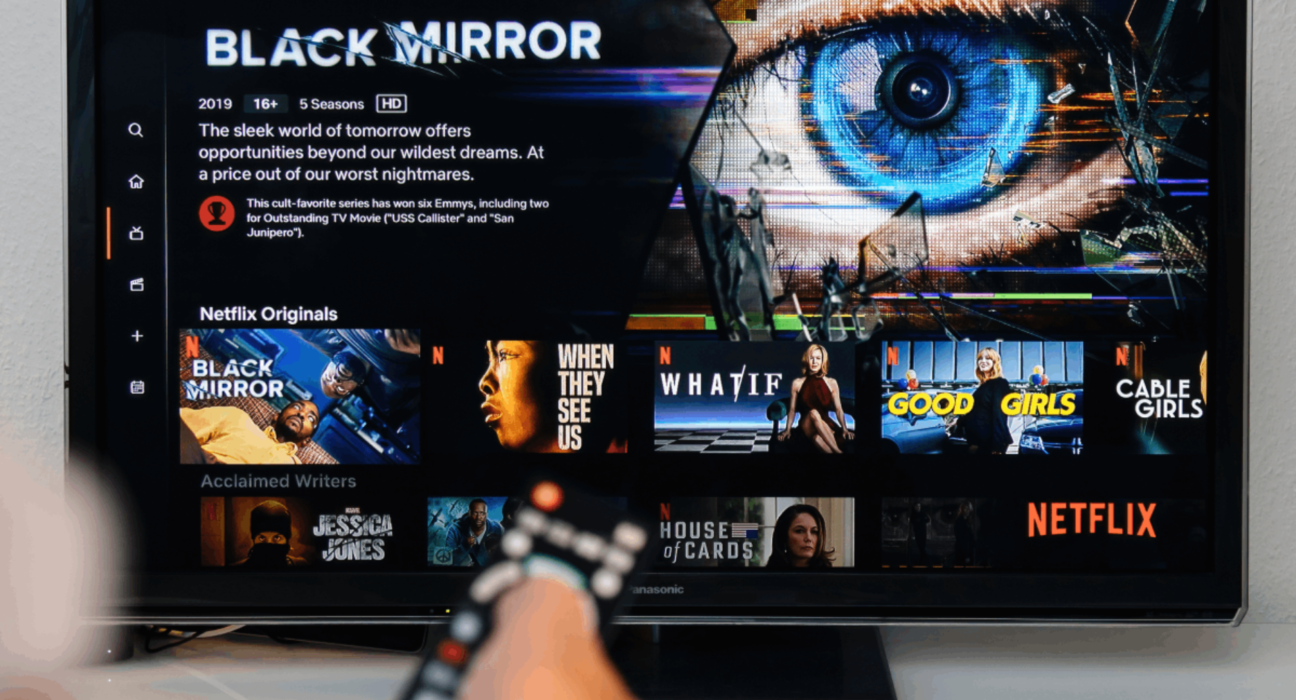
🎬 You Want to Watch Netflix Abroad
→ Streaming VPN is your best choice.
🔐 You Use Public Wi-Fi Often
→ Choose a privacy-focused VPN.
🏡 You Want Both Streaming & Privacy
→ Look for a balanced VPN — fast servers + strict privacy policy.
🧠 Pricing & Value
Most major VPNs offer:
✔ Monthly, yearly, or multi-year plans
✔ Multi-device support
✔ Money-back guarantees
Here’s what you’ll get:
- Streaming VPNs: better at unblocking content, sometimes at lower cost
- Privacy VPNs: stronger security features, often higher monthly price
🔚 Final Verdict
💡 If your priority is streaming — go with a streaming-optimized VPN.
You’ll enjoy smoother video playback, fewer blocks, and plenty of server locations.
🔐 If your priority is privacy and security — go with a privacy-focused VPN.
You’ll benefit from stronger protection, strict no-logs, and robust features.
🎯 Best overall choice for most users: A balanced VPN that’s fast enough for streaming and offers strong privacy protections.
🧠 Pro Tip
You don’t have to choose one category forever — you can:
✔ Use your VPN for privacy when browsing
✔ Switch to a streaming-optimized server when watching shows
✔ Choose a provider with both features